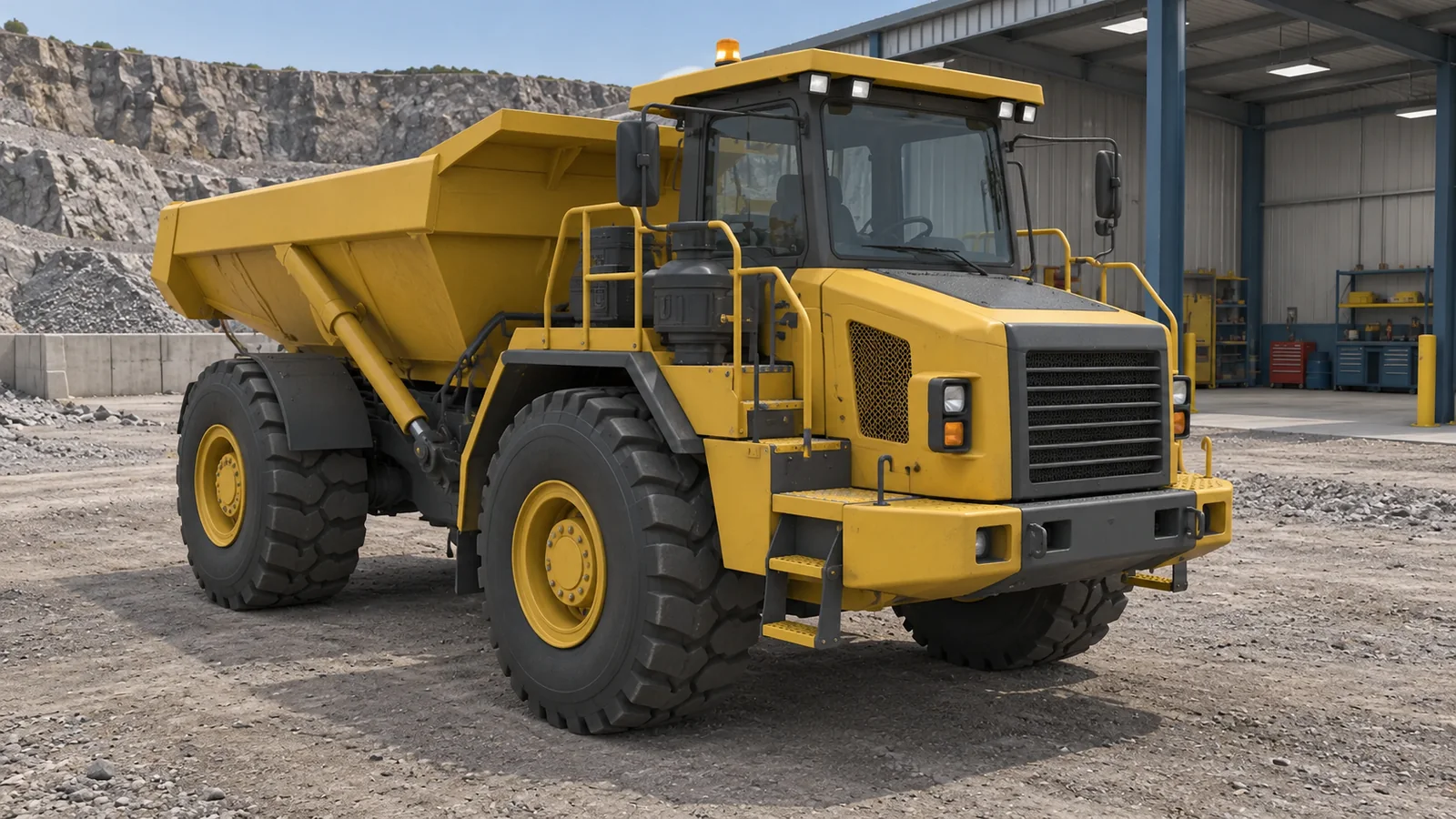
Give the walkaround a purpose
In a mining exercise, the learner could approach a vehicle, work through an inspection and record a concern for the instructor to review. A later attempt could change the condition of one item. The learner would need to look again, instead of completing a familiar sequence from memory.
This can help trainers distinguish a missed inspection point from a misunderstood finding. Someone may inspect the right area and still fail to recognise why it needs attention. A replay gives both people the same view of the equipment when they discuss the decision.
How NORCAT and Vale approached equipment checks
In its partnership announcement with Vale, NORCAT describes virtual pre-operational circle checks for mine equipment, including forklifts and utility vehicles. The tools form part of a blended programme for equipment operator and maintenance training.
A virtual circle check gives the learner a reason to move around the machine and inspect it from different positions. In a similar exercise, an instructor could revisit a missed area with the learner before another attempt. That creates an opportunity to practise an inspection before joining the practical session.
Represent the machine your team will meet
A generic vehicle can introduce the idea of an inspection. For preparation around your fleet, the useful details are the ones operators must recognise: the machine’s layout, inspection locations and the information used in your training. Those details help an instructor connect the exercise to the next practical session.
For new starters, a repeatable exercise could make an unfamiliar vehicle easier to discuss. A trainer can point out a component, let the learner find it again and compare its appearance with another condition. Equipment variants could help experienced staff explore differences before moving to another machine.
Contractors or staff moving to unfamiliar equipment could use a separate familiarisation exercise. It would let them explore the layout and ask questions before they take part in the practical training your site requires.
Make room for another attempt
Repeating an inspection is more useful when something changes. An instructor could choose a different condition or remove the prompts used in the first attempt. The review could then show whether the learner still recognises the concern and can explain what they saw.
A VR headset suits a walkaround where position and visibility matter. Desktop delivery can make the same equipment available for a trainer-led discussion. A browser or mobile exercise may suit shorter preparation, depending on how much interaction the task needs. Simvra can discuss the format around your training setting.
Look for a change during practical training
A virtual check does not reproduce the full feel of a machine or the conditions of a working mine. Keep supervised equipment practice, site rules and operator authorisation in the programme. An exercise result is a training record, not a mining qualification or permission to operate.
During the next practical session, the trainer can look for missed inspection points and ask learners to explain their findings. Comparing those observations with their earlier attempts gives you a basis for deciding whether to extend the application to another task or machine.