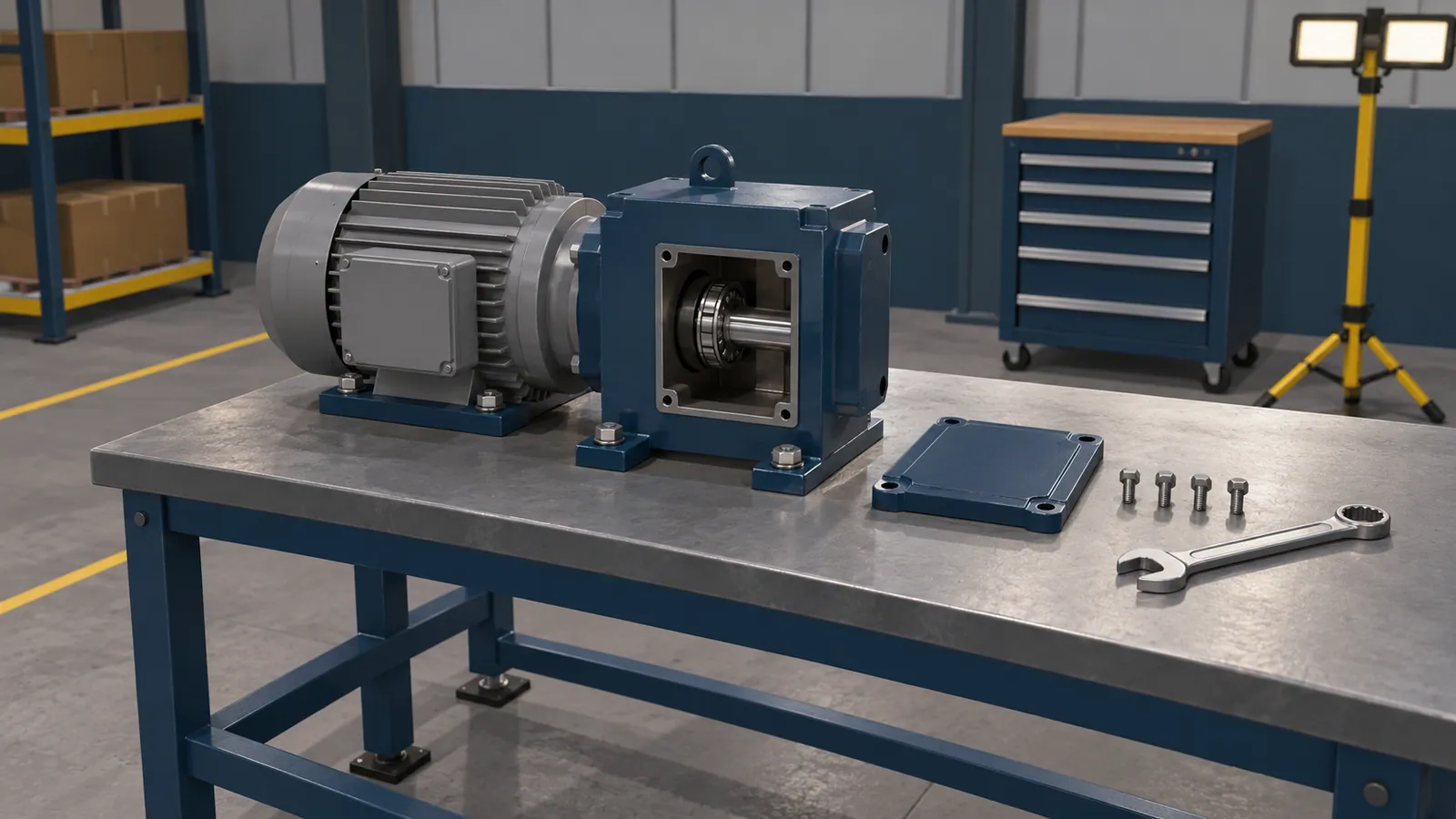
Separate procedure practice from troubleshooting
Following a known procedure and diagnosing a fault are different learning tasks. A guided lesson can show a new starter where to look and what comes next. Troubleshooting asks them to decide what the observations mean.
| Task | Useful practice | What to review |
|---|---|---|
| Inspection | Visit the relevant points and record what is present. | Missed areas and incorrect observations. |
| Known procedure | Follow the defined sequence, first with guidance and then with less help. | Skipped steps, order and prompting. |
| Fault finding | Compare symptoms, check evidence and choose the next approved action. | Unsupported conclusions and overlooked information. |
Choose one of these as the main objective. A long procedure with arrows pointing to every answer is useful guidance, but it does not test independent diagnosis.
The power plant training guide looks at maintenance preparation. For pre-operational equipment checks, see the mining training examples.
Build the exercise around a decision
For a stopped conveyor, ask what information the trainee needs before deciding who should act. The scene could include an equipment indication, a visible condition and a short operator report. The instructor defines which clues are relevant and what responses are appropriate.
Give the learner a reason to inspect, rather than asking them to click every object. After a choice, explain which observation supports it or what information they missed. “Incorrect” by itself offers little help.
An exercise can end with a correct escalation. The trainee does not have to repair everything to succeed. Recognising that a task is outside their authority may be the most important decision in the lesson.
Conveyor Quick Fix is a public browser demo of inspecting equipment, making choices and checking the result. It shows the interaction format. A lesson for your plant would use your equipment and approved procedure.
For equipment familiarisation, the oil and gas training guide considers how virtual views can explain the inside of a pump or compressor.
A maintenance example from delivered work
The excavator trainer built for United Tractors School includes an air-filter maintenance lesson. The learner carries out the simulated task and marks the service record. Here the focus is a defined procedure, rather than open-ended fault diagnosis.
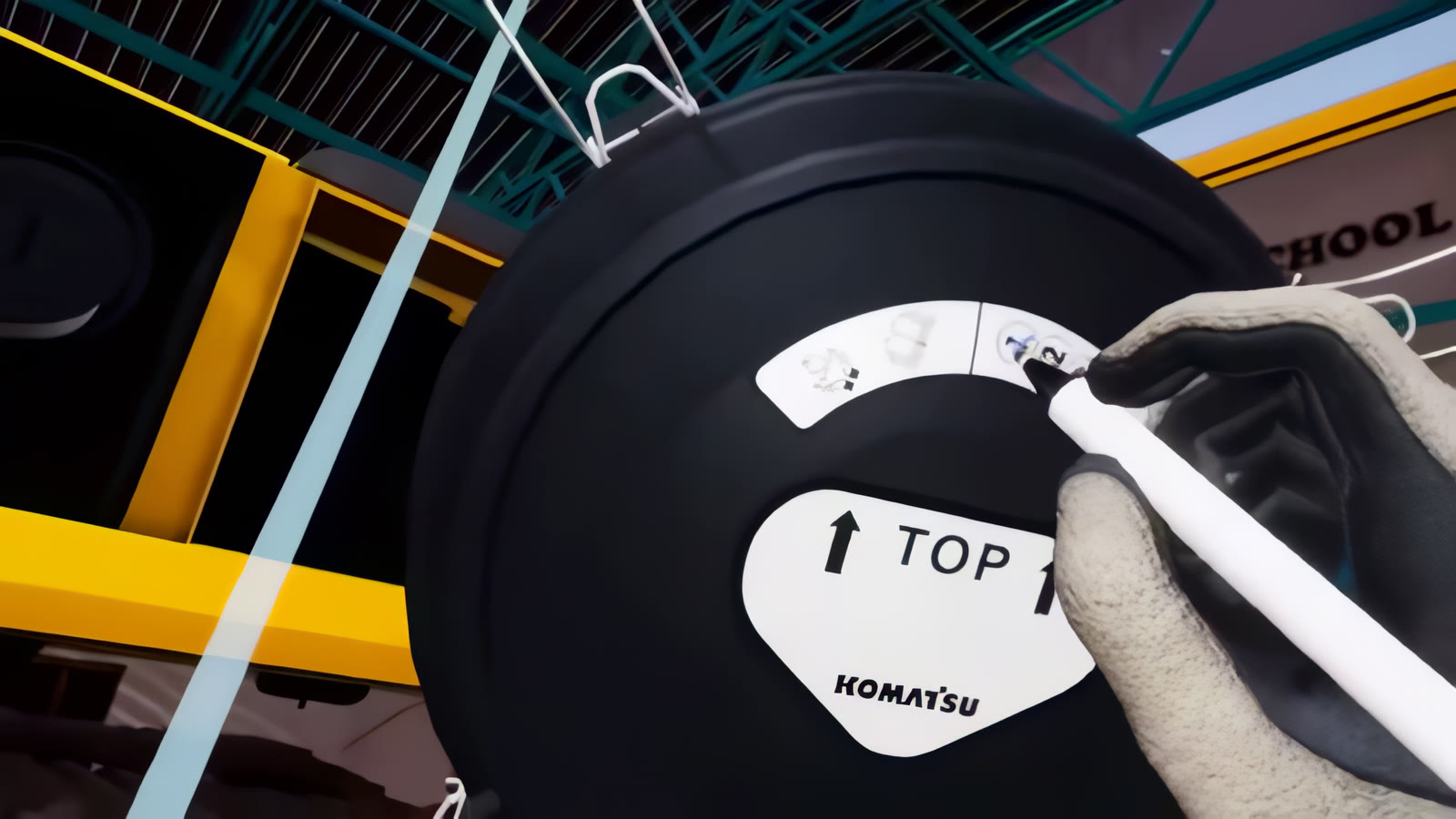
The project page shows the training and Faisal’s role. For a different machine, the sequence, interactions and record of completion would follow that task.
Let practice teach, then check understanding
During practice, hints can help someone find an inspection point or recover from a mistake. Later, remove the hints and ask for a decision. Record whether the learner needed help, not just whether they eventually finished.
When the training calls for diagnosis, try a second scenario with a meaningful difference. Does the trainee respond to the changed evidence, or repeat the same answer? Only include fault variants whose behaviour and feedback have been defined and checked.
A short instructor discussion can reveal more than a total score. Ask which observation changed the learner’s mind and why another action would have been inappropriate. Use the result to decide what to practise next.
Check the real task before choosing the format
VR can be useful when locating or approaching a component is part of the difficulty. A desktop or browser lesson may work well when the challenge is interpreting information and choosing an action. Physical resistance, tool feel and real equipment condition still need hands-on training.
Results depend on the task. A 2022 crane-maintenance study by Liu and colleagues compared screen-based VR, augmented reality and training with actual equipment in 60 male trainees. The results varied by task. The actual-equipment group was faster on simpler tasks. This single experiment may not predict results in other workplaces.
Try the proposed lesson with an instructor and representative learners. Then use your normal supervised practical check. Keep observations of real work separate from the app’s completion score, and include a later check if remembering the task over time matters.
What makes a useful first maintenance exercise?
Look for a recurring training difficulty on equipment that your team can describe accurately. Collect the current procedure, the symptoms learners should recognise, the allowed responses and the common mistakes the instructor wants to discuss.
Keep a clear end point: a recorded inspection, a supported diagnosis or a correct handover. Leave rare variants for later unless they are central to the training need. The planning guide has a brief you can use to organise those details.