Start with a task that needs judgment
Choose a task where newer staff regularly need help, where cases vary or where the procedure leaves something to interpret. Ask the experienced person for a recent example they can discuss. Keep the first conversation close to that case rather than asking them to explain everything they know about the job.
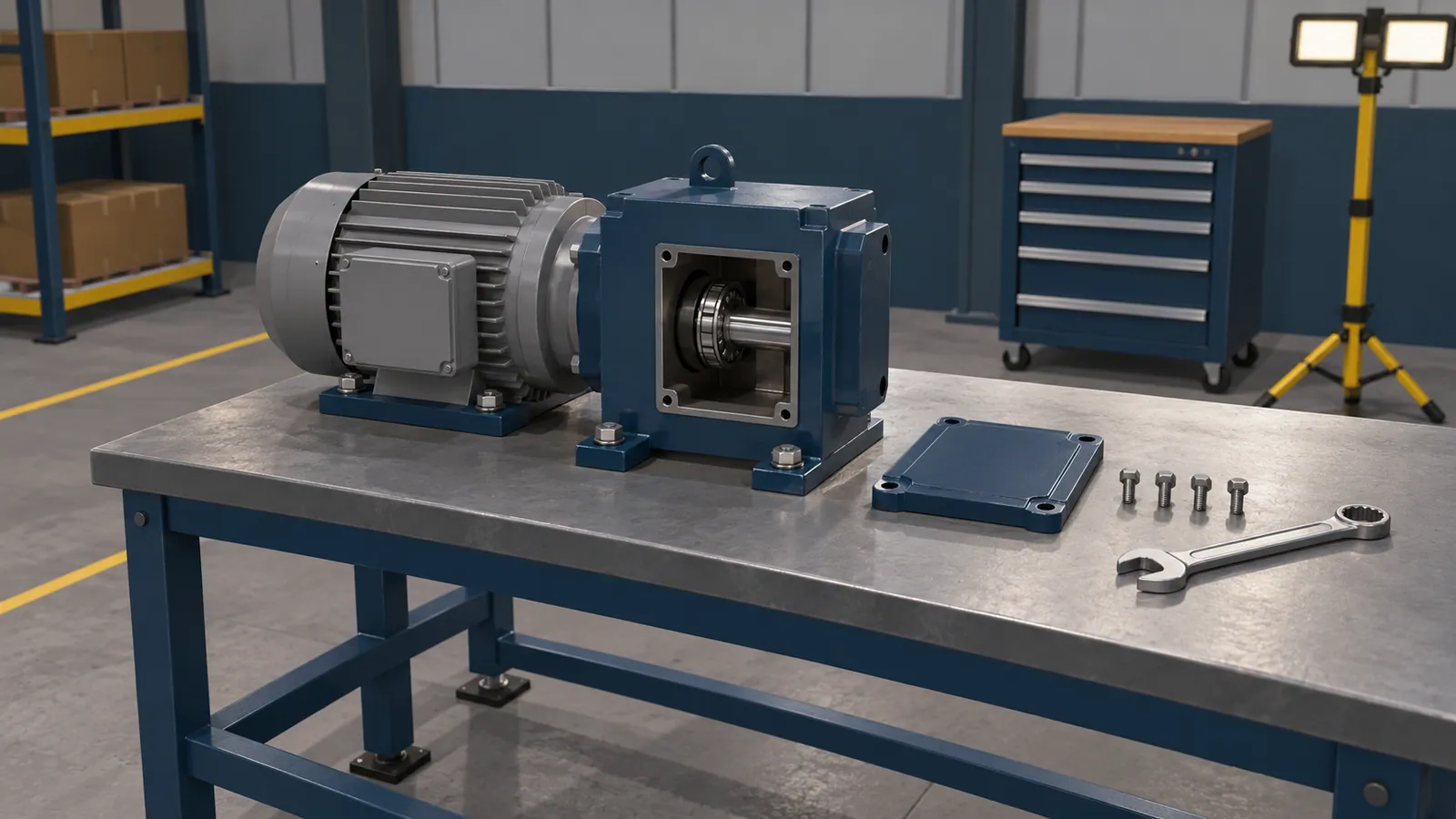
A maintenance example might concern a fault that had several possible causes. The useful material is how the technician narrowed the possibilities, what information they sought and when they involved someone else. A training lesson can use those decisions without recreating the whole machine.
If the task is mainly a fixed sequence, the procedure-to-training guide is a better starting point.
Ask what changed their mind
Walk through the example with the person who did the work. Use photographs, records or a safe demonstration to help them explain what happened. Pause at decisions. Ask what they knew at that point, which possibilities they considered and what made one explanation more likely.
The questions below are useful prompts for a conversation. Follow the person's answer instead of treating them as a form to complete.
| Ask the experienced worker | What to capture for the lesson |
|---|---|
| What caught your attention first? | A clue the learner needs a fair chance to notice. |
| What else could have explained it? | Plausible alternatives to include in the exercise. |
| Which information changed your next step? | A decision point and the evidence needed to make it. |
| When would you stop and ask for help? | The limits of the learner's role. |
| What might a new starter misunderstand here? | An explanation to include in the feedback. |
This kind of structured questioning is used in cognitive task analysis, which examines the thinking involved in skilled work. The purpose here is to collect explanations that your experts can check and your learners can use.
Check the explanation against current practice
An experienced person's account may describe an older machine, a one-off workaround or a method that has since changed. Compare it with the current approved procedure. Ask the content owner to resolve differences before that account becomes an instruction in the lesson.
Where possible, have another experienced colleague review the example. They may identify an assumption that the first person did not need to mention when speaking to someone familiar with the work.
Keep a record of the equipment version, source material and person who approved the explanation. This gives the team something to return to when a procedure changes or a learner questions the feedback.
Give the learner the same decision to make
Imagine an inspection example in which a part number does not match the job record. The exercise could show the learner the same information the experienced worker had, then ask what they would check next. A second version could present a missing record instead. The learner has to decide what evidence is available rather than memorise the location of a highlighted object.
Use the expert's explanation to write feedback. Show which detail supports the next action and why another option would leave the question unresolved. Let the expert try each branch of the exercise, including mistakes and requests for help.
A browser or desktop scene may be enough for this kind of inspection and decision practice. VR becomes useful when position, reach or movement around the equipment is part of what the learner must understand. The maintenance training guide discusses that distinction.
Find out what still needs explaining
Ask someone less experienced to try the exercise and explain their choice. Listen for the reason, not only the final answer. They might select the expected option while misunderstanding the clue, or choose another option because the scene leaves out information.
Revise the scenario with the expert after that trial. Check whether the explanation is clearer on a different example and what still needs practical coaching. Knowledge capture can provide material for repeated practice, but it does not reproduce all the experience behind an expert's judgment.
For tasks involving physical technique or equipment handling, keep supervised workplace practice in the training plan. Your instructor decides how to check performance on the real task.
Leave the next instructor a usable record
Store the reviewed scenario and its source references with the lesson notes. Name someone who can answer content questions after the original expert moves on. When equipment or procedures change, review the affected decisions and feedback together.
That ownership also matters when the lesson becomes part of normal training. Our guide to moving beyond a pilot covers the instructor handoff and ongoing use.