The first shift asks people to learn and keep up
Someone who knows a factory well can forget how much of it needs explaining. Equipment names that seem obvious to a supervisor may mean little to a newcomer. A line layout on paper becomes harder to follow when the person is standing among machines and trying to listen through the noise.
These gaps create reasonable questions. Where does this part of the process fit? Which equipment is the supervisor referring to? A virtual view lets a newcomer revisit those explanations without asking someone to leave their work each time. That is useful preparation for the conversations that still need to happen on site.
Make the equipment familiar before the first walk
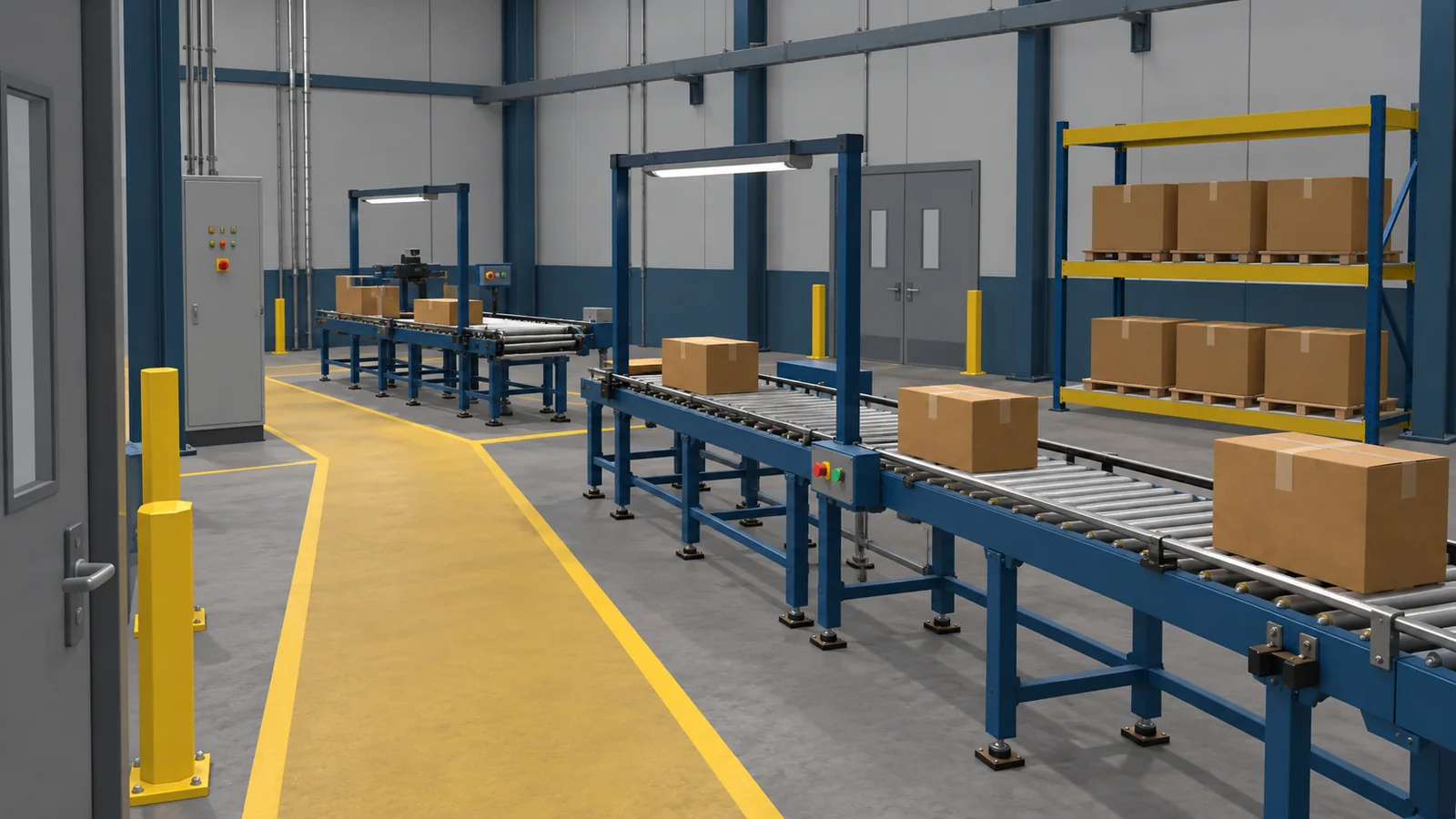
In an interactive factory introduction, a learner can explore a representation of the workplace, select equipment and connect names with visible parts. They can pause at something unfamiliar and return to an explanation. The experience gives them more control over the pace than a group walk that needs to keep moving.
This is especially useful when newcomers arrive at different times or when the right equipment is difficult to access during a shift. The same introduction can be available before a visit or between supervised sessions. A shared starting point also gives instructors a clearer place to begin, even when the learners have different backgrounds.
Use time with experienced staff for better questions
A person who already recognises the equipment can ask more specific questions during the site walk. Instead of spending the whole visit learning names, they can discuss how the work varies and where their role meets another team. Experienced staff can explain details that a fixed introduction cannot anticipate.
For the business, the possible benefit is less repeated explanation at the production line. That benefit depends on what your onboarding currently involves. If the recurring problem is unfamiliar equipment, a visual introduction addresses it directly. If it is unclear responsibility or missing supervision, those problems still need attention in the workplace.
Give virtual preparation a clear place in onboarding
Virtual familiarisation belongs alongside a supervised site introduction and practical work. A representation cannot reproduce every sound, obstruction or change on a working floor, and recognising equipment does not authorise someone to use it. Your team still needs to see the person working under the conditions their role requires.
Keeping that purpose clear helps newcomers too. They should understand that the introduction is a place to learn the layout and ask questions, with practical instruction to follow. It can make the first visit less unfamiliar without presenting an app completion screen as permission to begin work.
Where a virtual introduction is worth considering
Factories with repeated intakes, several shifts or equipment that is rarely available for explanation have a clear reason to consider this approach. It can also help someone moving between departments, where they know the company but have little experience of that part of the process.
The useful question is whether there is something people could understand before they reach the production floor. A short introduction to one area may be enough. An entire virtual factory is unnecessary when the recurring difficulty sits around one machine or one handover between teams.