Help learners connect the screen to the plant
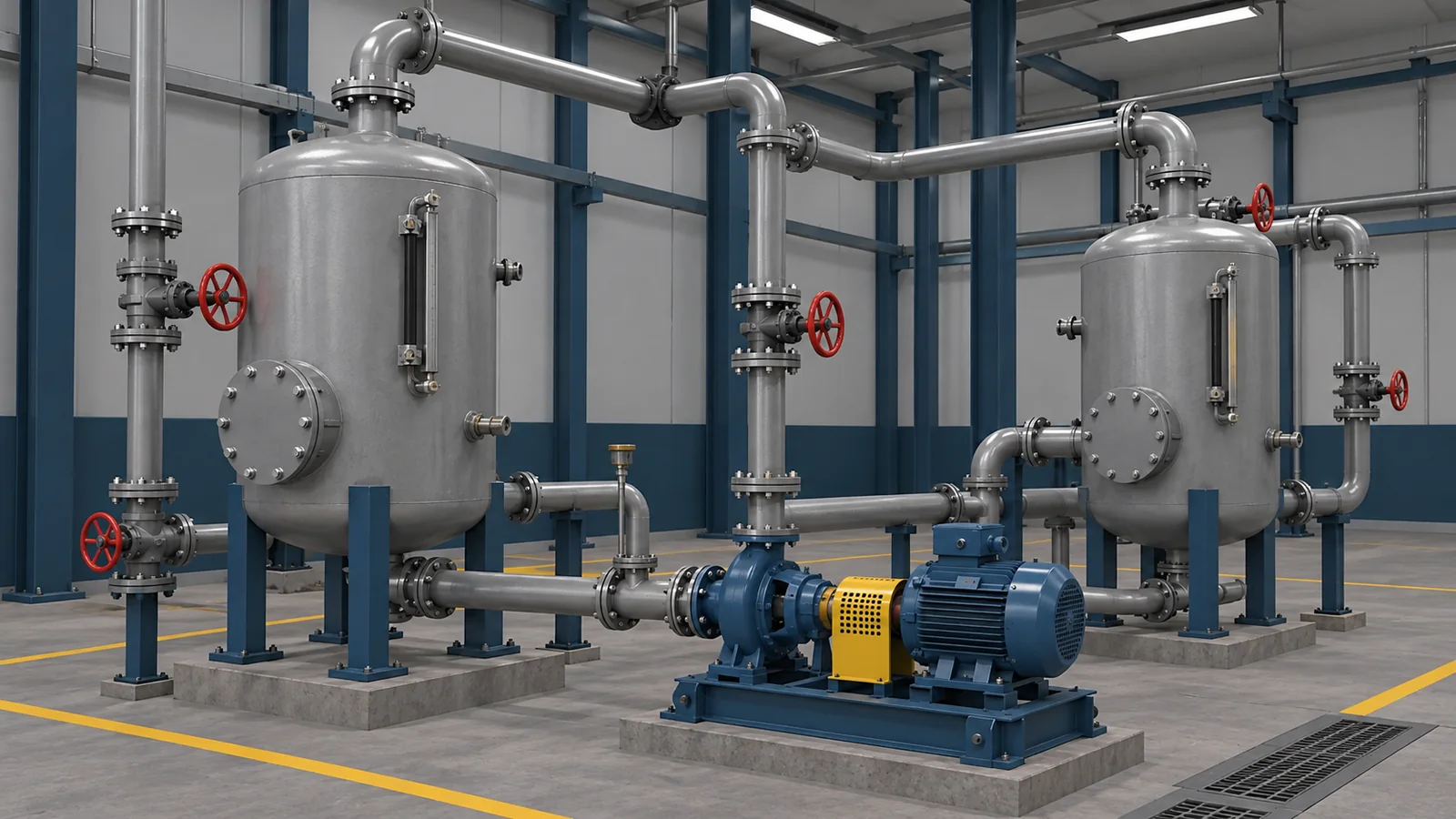
A drawing explains connections, but a walk through a plant adds scale and location. Virtual familiarisation could let learners move between a vessel and nearby equipment, recognise the components used in their lesson and return to a wider view of the area when they lose their bearings.
For an instructor, that creates a shared place to explain a process. They could pause at a piece of equipment and ask the learner how it relates to the rest of the system. The conversation can stay with the part the learner finds confusing for as long as it needs to.
Make the operator’s reasoning part of the exercise
A learner could encounter an unusual indication and decide what information they would seek before responding. Another lesson could focus on the exchange between a field operator and the control room. The training value would come from the decisions and communication your team wants to examine.
The instructor could then discuss why the learner chose an inspection point or what they left out of a report. Returning to the same scene gives both people something specific to refer to, particularly when a misunderstanding involves the position or identity of equipment.
BASF connected a virtual training plant to process controls
In a release dated 21 July 2020, BASF described a virtual version of its production technology training facility in Ludwigshafen. The company said its model represented equipment including pipes, pumps and vessels, and connected the virtual environment to a process control system. Trainees could explore the plant and complete learning tasks before working in the real facility.
BASF also described interactive process exercises, including distillation. Its programme shows how plant familiarisation and process learning can sit together. Learners can connect their understanding of the physical arrangement with the behaviour the training system represents.
Match the simulation to the understanding you need
An equipment familiarisation lesson and a simulator that predicts changing process conditions serve different purposes. For familiarisation, the learner may need to identify equipment and understand its role. To explore how a process responds over time, the behaviour behind the scene becomes part of what the instructor needs to trust.
A virtual plant represents only the conditions and behaviour established for that exercise. Real supervised practice and your plant’s practical assessment remain necessary. Your process specialists approve the lesson, and any claim about physical process accuracy needs validation appropriate to the model being used.
Consider the part of training that needs more explanation
There may be a connection that new operators repeatedly struggle to picture, or a field and control room conversation that is difficult to rehearse together. Those are concrete reasons to explore a virtual lesson without recreating every part of the site.
Simvra can discuss an exercise around that need, whether the priority is recognising equipment or reasoning through an instructor-approved situation. The starting conversation is about what your operators need to understand and where current teaching leaves them uncertain.