Give new starters a place to get their bearings
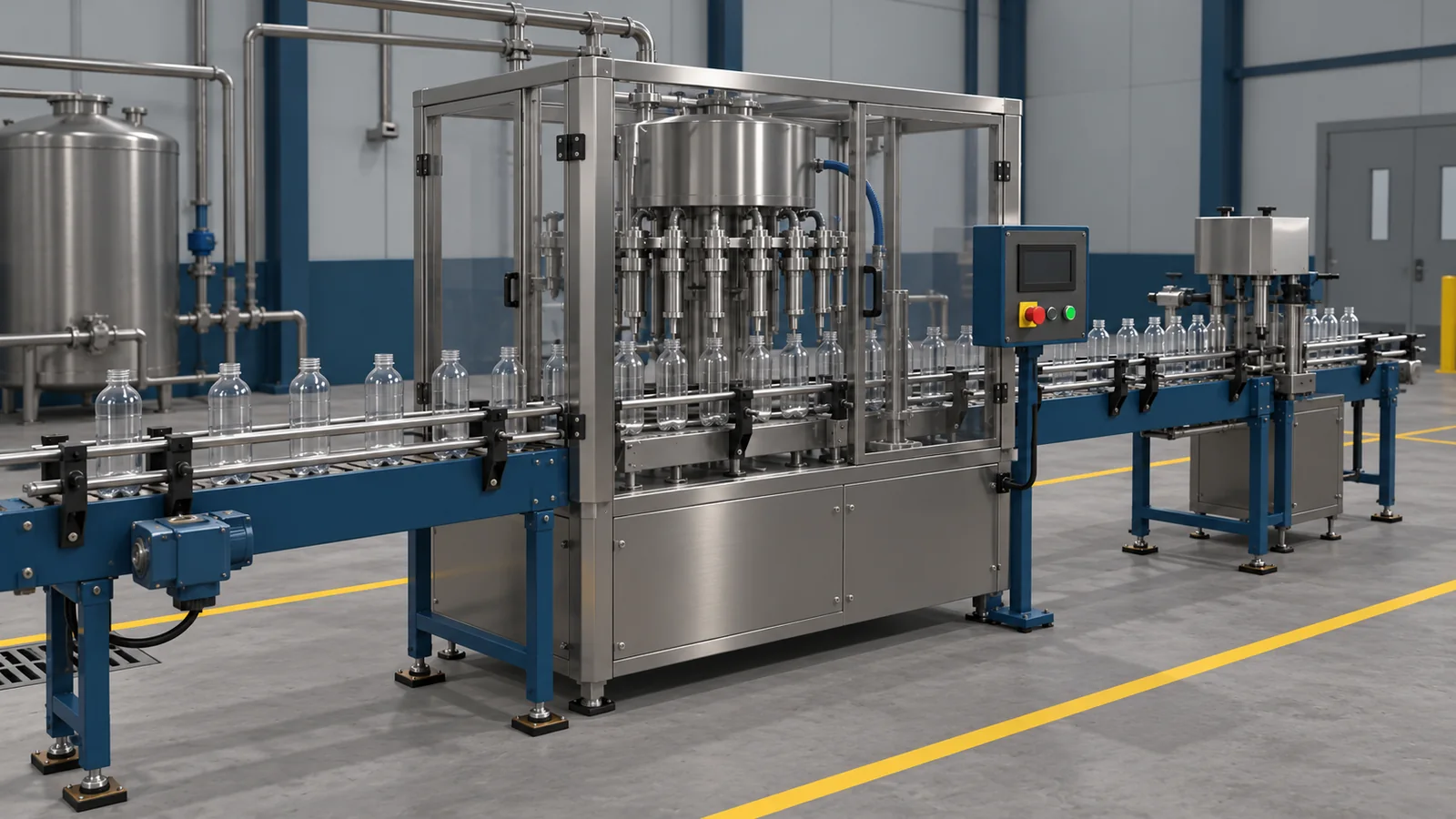
A food factory induction can involve unfamiliar equipment alongside rules about movement, hygiene and access. In a virtual version of a production area, a learner could explore how the spaces connect and identify the boundaries relevant to their role. An instructor could bring attention back to a particular doorway or work area without gathering the whole group beside a running line.
The setting matters because the lesson needs to resemble the place where people will work. A familiar route past a filling line gives a training discussion a different starting point from a diagram of an unspecified factory.
Let learners work through a production decision
A packaging exercise could place an operator in a product changeover where the packaging label does not match the product selected for the run. The lesson could ask them to inspect the information available, decide whether they have enough evidence to continue and explain who needs to be involved. Your production and quality teams would define the situation and the response it teaches.
That opens a useful conversation about judgement. Did the learner notice the relevant detail, or simply remember where to click? Replaying the scene with a different cue could give the instructor a way to explore that difference, without creating a product fault on the actual line.
Nestlé has used VR for factory safety training
In its announcement on 26 May 2022, Nestlé Spain described a virtual safety training centre developed with its Girona factory. It reported pilot modules covering confined spaces and working at height. The announcement also described factory pedestrian safety among the situations the virtual environment could represent.
The Girona programme concerns workplace safety. A lesson about product handling or production equipment would have its own learning objective, even where it uses a similar virtual factory setting. The choice depends on which part of training your people need to revisit.
Keep the link to real products and supervised work
Virtual practice can represent the cues and choices included in a lesson. It cannot establish that food is safe, reproduce every sensory sign of a problem or replace supervised practice with real equipment. Your site’s training and quality teams remain responsible for the approved content and practical assessment. The simulation gives them another place to teach and discuss it.
That distinction also helps the instructor choose what to revisit afterwards. A learner might understand the reason for a check yet still need help carrying it out on the line. Both observations belong in the training conversation.
Bring a familiar training difficulty into view
If there is a part of induction that is hard to show, or a production decision that takes repeated explanation, that is a useful place to consider interactive training. The opportunity may sit in one work area rather than an entire factory.
Simvra can discuss how that training need could become an exercise with equipment your learners recognise and decisions your instructors can talk through. The aim is to give people room to practise the part that currently gets rushed, interrupted or left until the right situation occurs.