Practise noticing and responding to hazards
A safety scenario can ask learners to look for a condition, decide whether to continue or stop, and explain what they would report. A simulated near miss can be repeated without exposing a learner to the real hazard. The scenario should use the site’s approved procedure and the language workers use on the job.
Examples include noticing an obstruction on a planned route, recognising a condition that needs escalation, or identifying the information missing from a handover. The exercise can pause at the decision and give the instructor time to discuss what the learner saw.
Turn a safety briefing into a decision to practise
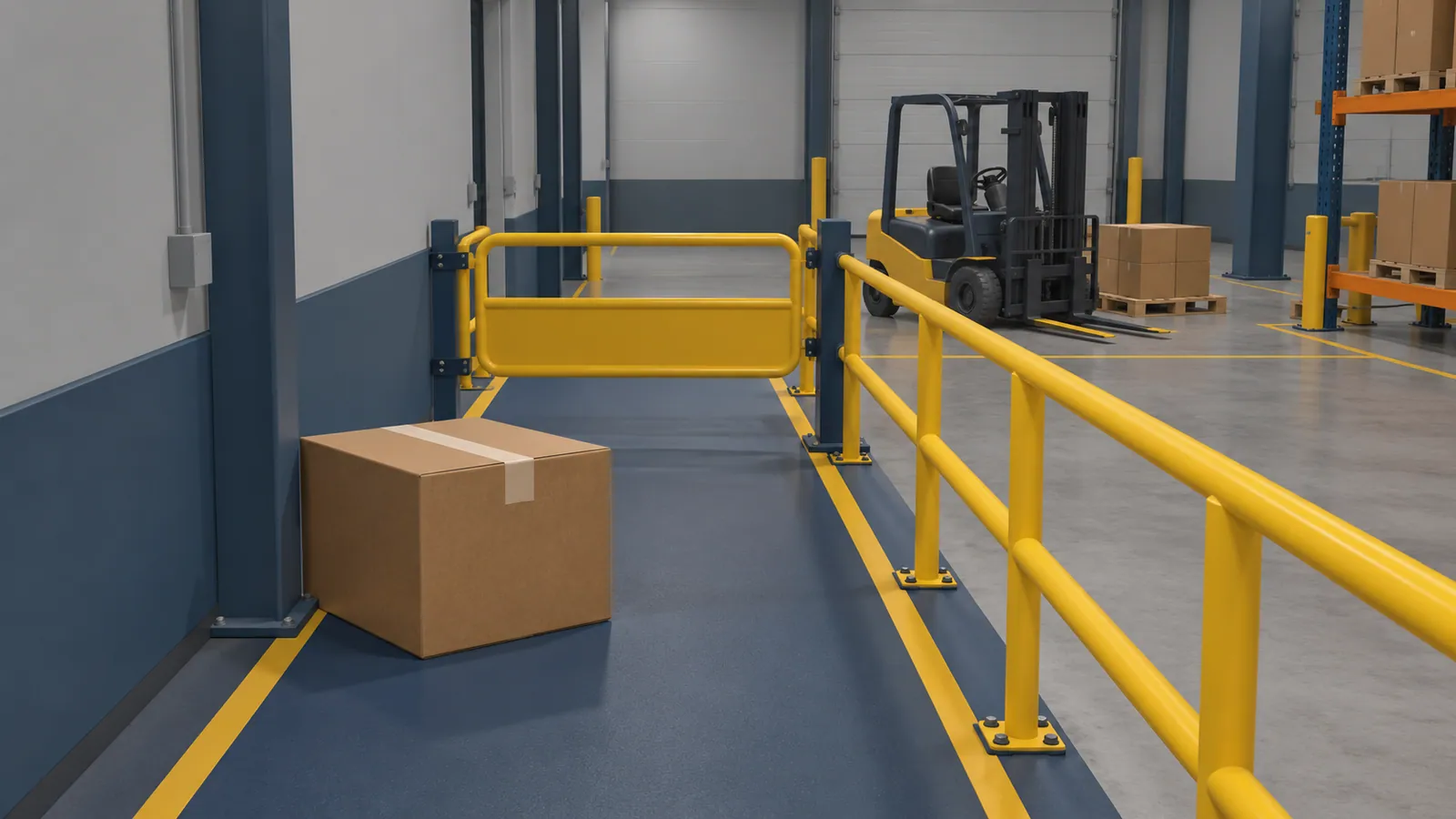
Imagine a work-area familiarisation lesson. The learner sees a route partly obstructed by stored material. Instead of highlighting the obstruction immediately, the exercise asks whether the planned activity can proceed under the site’s rules and what should be reported.
After the answer, show the observation the instructor wanted them to make. Ask what could happen if it were missed, then let the learner try a second scene with different conditions. The training team defines the acceptable responses. The simulation provides a repeatable setting for practising them.
Ask what the learner noticed, what they decided and who needs to know. This helps the instructor see whether they recognized the hazard or simply chose the most cautious-looking option.
The chemical operator training guide considers how field staff and control rooms can practise sharing observations.
Training is one part of safety
Training helps workers learn safe work practices, but it does not make unsafe equipment or conditions safe. NIOSH’s Hierarchy of Controls puts elimination, substitution and engineering controls ahead of administrative controls such as training. Use simulation alongside the controls the task requires, not in place of them.
For example, if a risk calls for guarding, isolation or protective equipment, a virtual lesson cannot provide those safeguards. The site owner still needs to assess the hazard and maintain its controls.
What one safety-training study measured
A randomized trial involving 119 construction workers at eight Finnish workplaces compared safety-training methods. Relative to lectures, VR had a stronger effect on safety motivation and confidence in applying safety practices. Participants also reported greater improvement in their own safety performance at a one-month follow-up.
The researchers used questionnaires. They did not establish a reduction in injuries, and a construction trial does not predict the result at a manufacturing site. The finding supports investigating active safety practice while checking what changes in your own workplace.
The construction training guide explores site induction and hazard-recognition exercises.
Plan the handoff to the workplace
Follow virtual practice with the site-specific instruction and practical checks the job requires. Learners may still need to handle real protective equipment, recognise actual access routes or demonstrate a task under supervision.
Your safety trainer can identify which decisions suit the simulation and where hands-on instruction starts. Use consistent wording in both settings so people do not have to reconcile conflicting instructions.
For team response practice, the industrial emergency training guide looks at virtual rehearsal and the practical exercises that follow it.
Check what learners can apply
Choose observable learning checks: whether a learner notices the defined hazard, chooses the expected response, knows when to stop and can explain who to notify. Review mistakes with an instructor, then check relevant skills in the real work setting under the site’s normal supervision.
Use in-app results to identify the decisions that need more practice. Track workplace incidents separately through the site’s existing safety process, alongside any changes to equipment, supervision or working conditions.